Keep people on the country — and look after it
- Recreational fishing: $270 million and 2,670 jobs (FRDC, 2019–20)
- Inland angling: $82.7 million spent in 2021–22 (IFS / IMAS)
- Hunting and sports shooting: $88.4 million GSP and 676 jobs (BDO for NRE Tas, 2022)
- Walking visitors stay longer and spend more — 12.2 nights and $3,513 against $2,691 (Tourism Tasmania)
- Wild Fallow Deer Management Plan: cut farm and bush damage, keep a hunting resource
- Pass the game meat donation Bill — protein on plates, not in a paddock
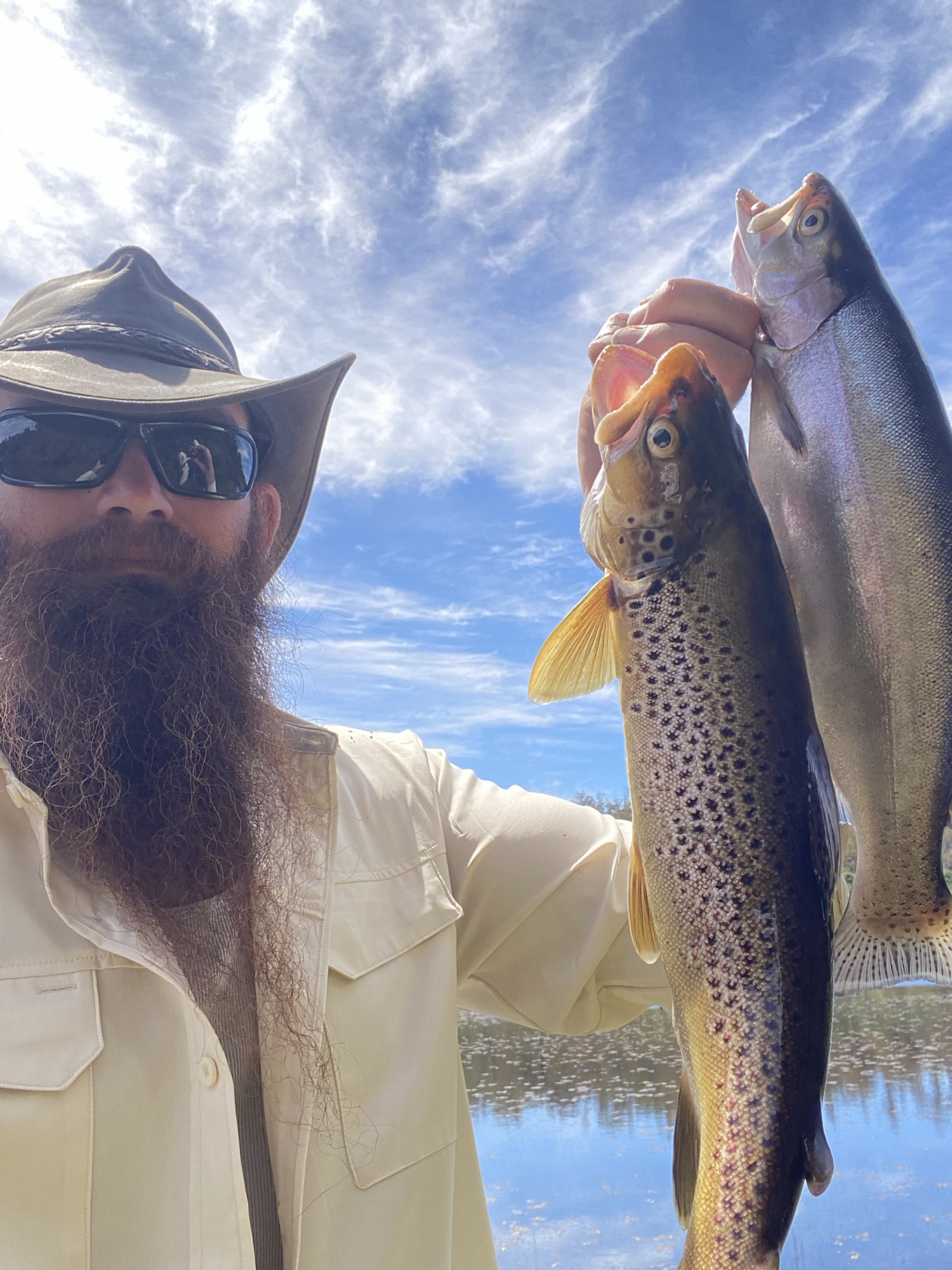
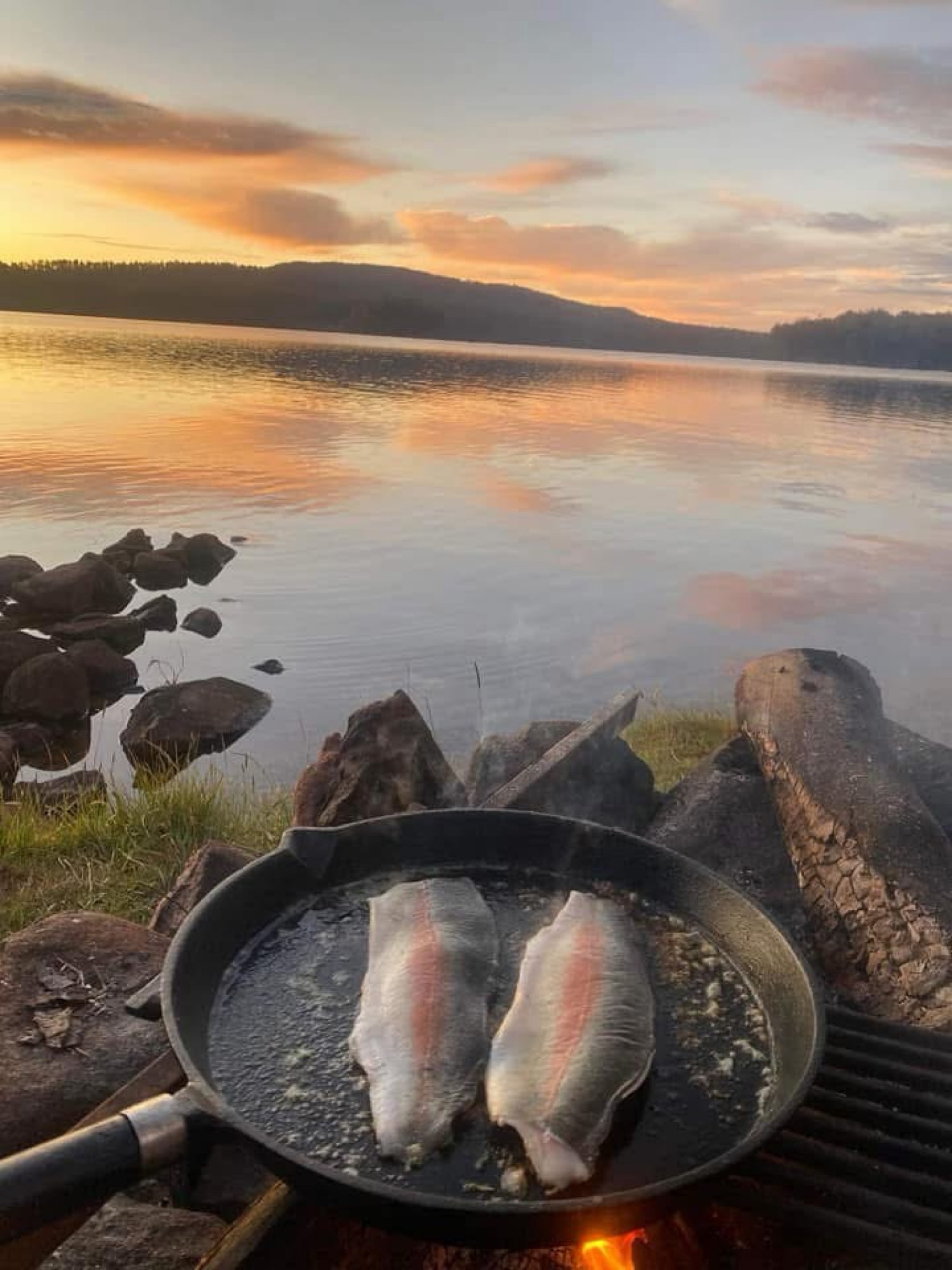
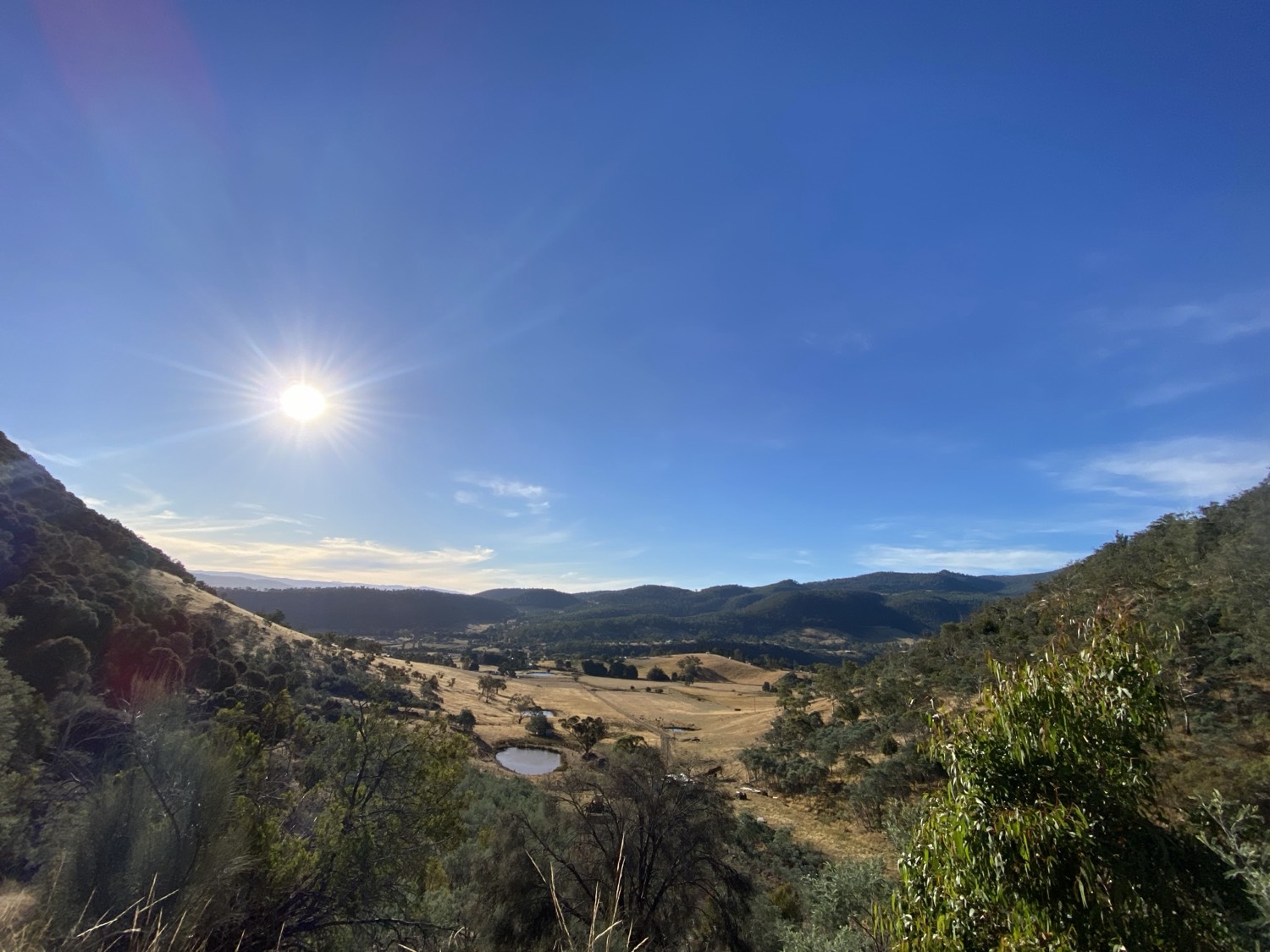
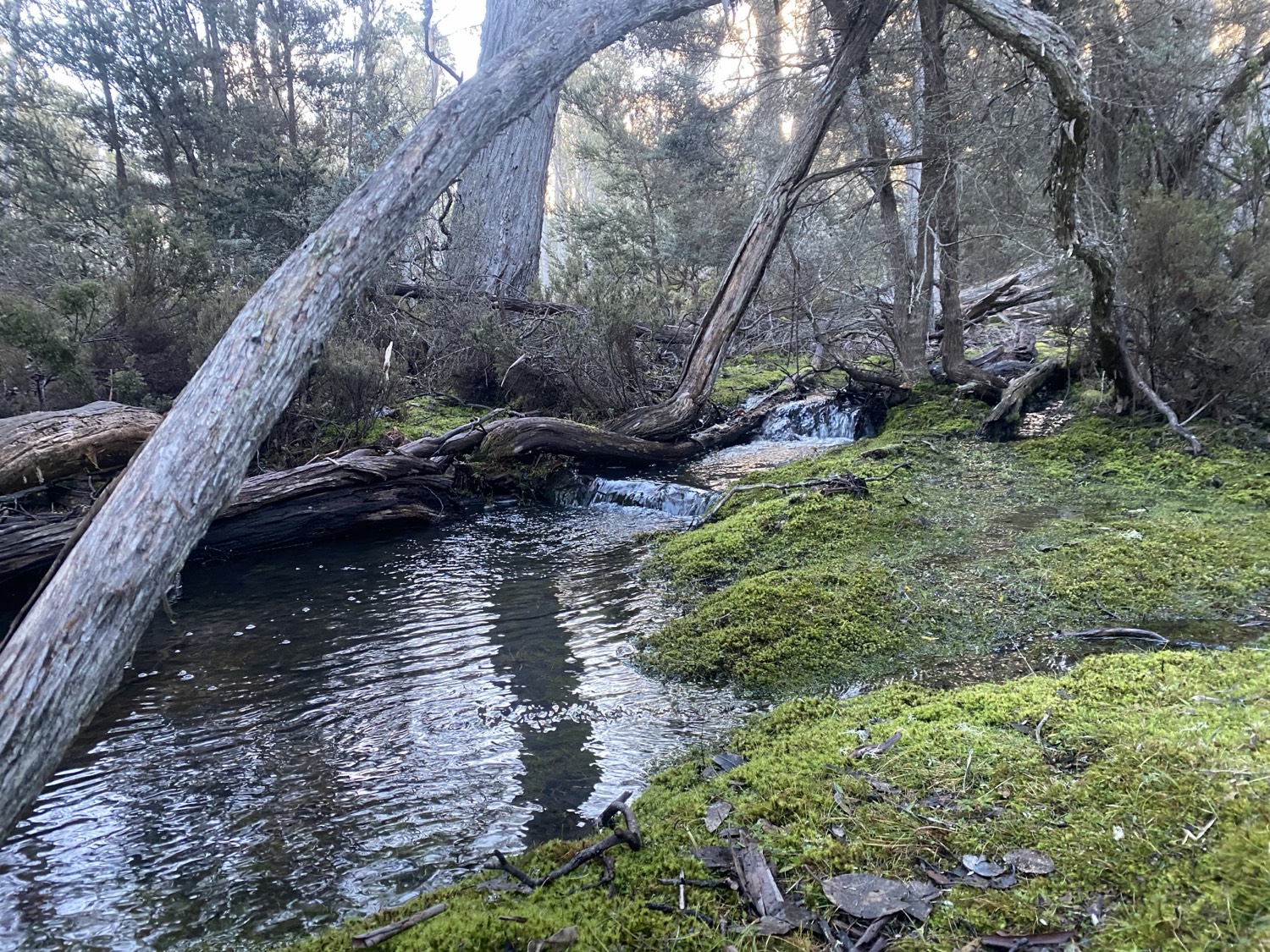
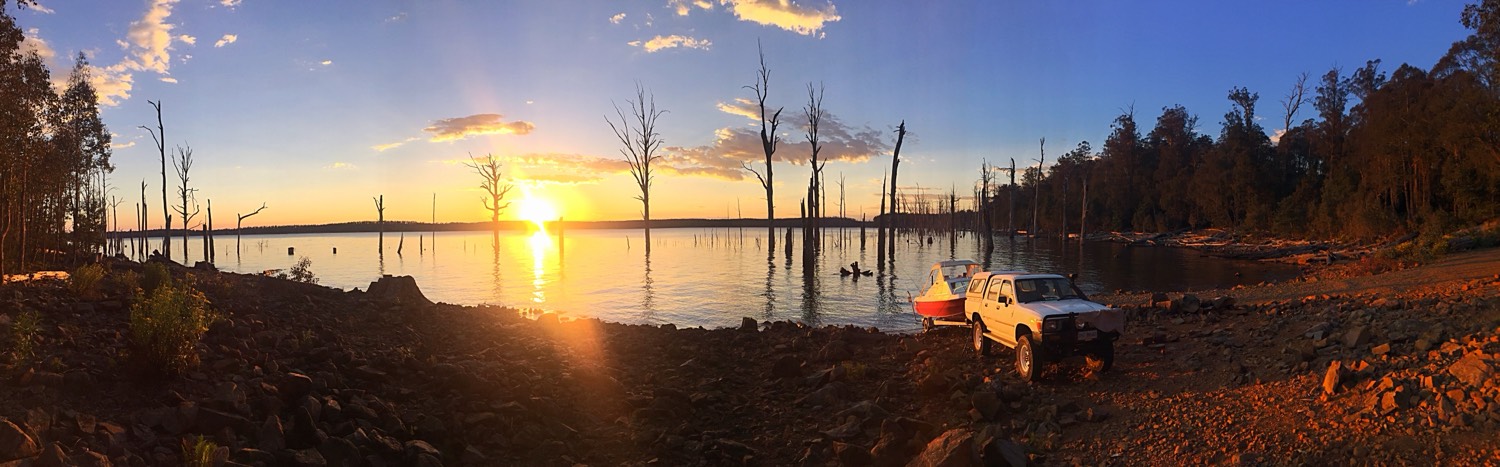
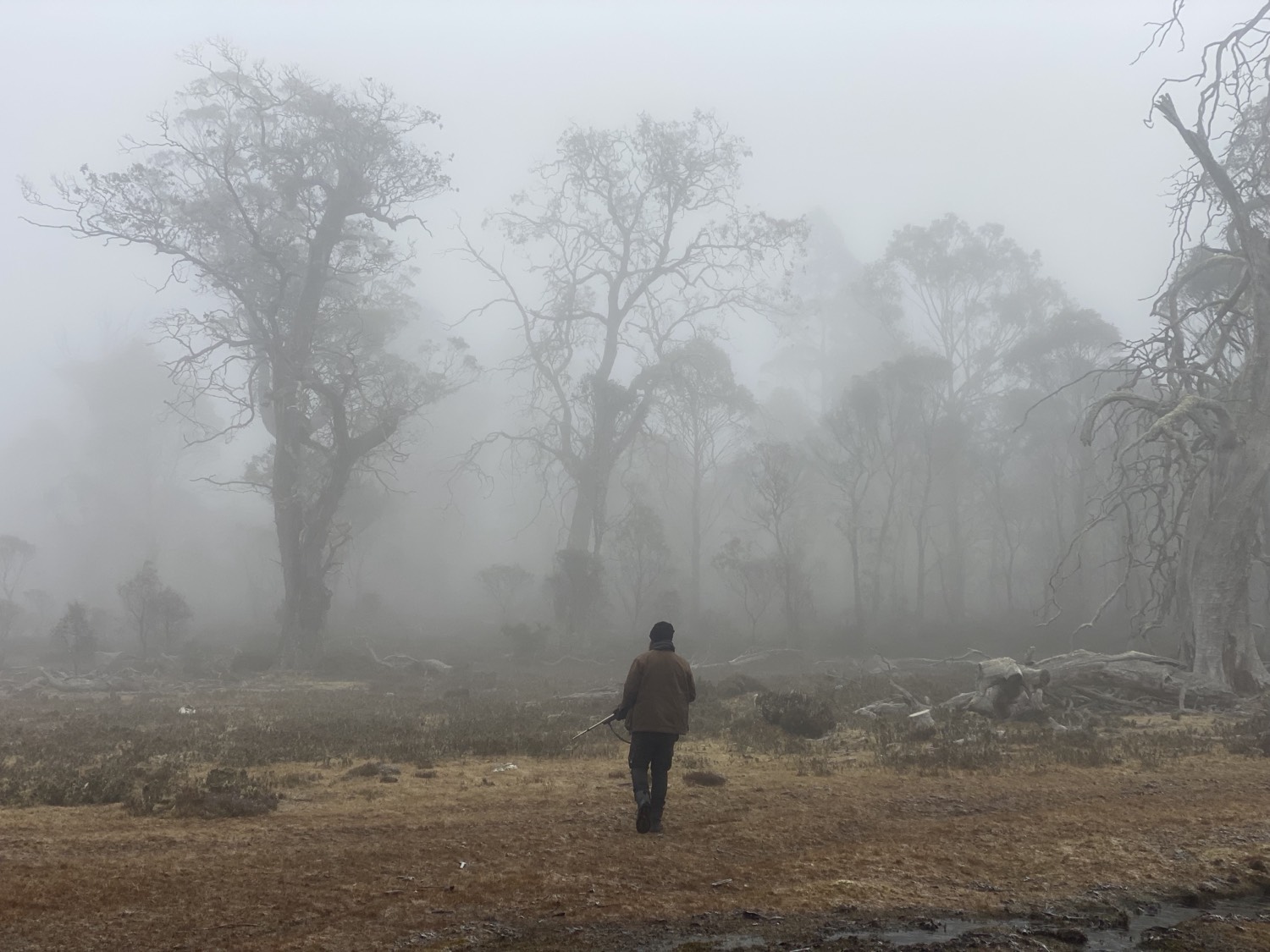
I live outside. Fishing, hunting, walking. That is not a weekend brand. It is how a lot of regional Tasmania still eats, still unwinds, and still has a reason to stay.
The reports already say what politicians treat as a hobby. Recreational fishing by residents and visitors put about $270 million through the Tasmanian economy in 2019–20 and 2,670 full-time jobs — tackle, bait, fuel, beds, meals. Inland waters on their own were about $82.7 million of angler spend in 2021–22. Eighty-six percent of Tasmanians say recreational fishing is acceptable. Most of us already know it is good for the head as well as the freezer. Time outside, friends, less stress. The FRDC work on wellbeing is catching up with what fishers have said for years.
Hunting and sports shooting added $88.4 million to GSP in 2022 and 676 jobs. Deer hunting was $29.1 million of that. BDO asked hunters why they go: time outdoors, food, cutting pest numbers, mates, and to relax. That is not a lobby line. That is the work.
Walking is the same pattern at a bigger scale. Tourism Tasmania’s walking visitors stay 12.2 nights and spend $3,513. The average visitor stays 9.4 and spends $2,691. We have about 2,800 kilometres of maintained track and roughly 40 percent of the island in parks and reserves. Walkers spend in Maydena, in New Norfolk, in the high country towns that do not get a data shed. If the tracks are a bog and the toilets are shut, they do not come back.
None of that survives without management. Lock the bush and you export the jobs. Leave deer, dumping and sick rivers alone and you wreck the thing people came for. The Wild Fallow Deer Management Plan is supposed to do both: cut the damage on farms, forestry and natural values, and keep a hunting resource. Aerial surveys had the herd growing. Farmers already pay for it. Hunters who actually take animals and put meat on a plate are part of the answer, not the problem. That is why the game meat donation Bill matters — foodbanks short, good protein still rotting.
Look after the creeks, the tracks and the fisheries. Keep licensed hunters in the field. Keep anglers on the water. Keep walkers on country that is still country. Regional Tasmania’s economy, health and wellbeing run through the bush. Treat it as a cost centre and we will live with the bill.